Showing posts with label Dog. Show all posts

Monday, August 27, 2018

Have you heard?!


 Our Mini Light Source for flexible scopes is on sale! 
Contact us today to receive a savings of $200 on your new Mini Light Source!

Tuesday, September 26, 2017

Thursday, June 22, 2017

National Pet Preparedness Month

June is National Pet Preparedness Month! 
This is the perfect time to get your pets ready in case a disaster hits.
Unfortunately, many pets get separated from their families during disasters, which is why it is essential to plan for them when preparing for emergency situations.

Follow these pet preparedness tips from Ready.gov.
  • Include your pets in your emergency plans
  • Build a separate emergency kit for your pets
  • Make sure to keep digital records and/or pictures to identify your pet after a disaster in case you become separated
  • Create a list of places that accept pets if an emergency happens


When preparing your emergency plan:
  • ID your pet. Make sure your pet's tags are up-to-date and securely fastened to your pet's collar. If possible, attach the address and/or phone number of your evacuation site. If your pet gets lost, his tag is his ticket home. Also consider microchipping your pets.
  • Make sure to have a current photo of your pet for identification purposes.
  • Make an emergency kit. You can find a full item list here.
  • Identify shelters. For public health reasons, many emergency shelters cannot accept pets. Find out which motels and hotels in the area you plan to evacuate to allow pets well in advance of needing them. There are also a number of guides that list hotels/motels that permit pets and could serve as a starting point. Include your local animal shelter's number in your list of emergency numbers.
  • Make sure you have a secure pet carrier, leash or harness for your pet so that if he panics, he can't escape.

During the disaster:
  • Bring your pets inside immediately.
  • Have newspapers on hand for sanitary purposes. Feed animals moist or canned food so they will need less water to drink.
  • Animals have instincts about severe weather changes and will often isolate themselves if they are afraid. Bringing them inside early can stop them from running away. Never leave a pet outside or tied up during a storm.
  • Separate dogs and cats. Even if your dogs and cats normally get along, the anxiety of an emergency situation can cause pets to act irrationally. Keep small pets away from cats and dogs.
  • In an emergency, you may have to take your birds with you. Talk with your veterinarian or local pet store about special food dispensers that regulate the amount of food a bird is given. Make sure that the bird is caged and the cage is covered by a thin cloth or sheet to provide security and filtered light. 
  • If you evacuate your home, DO NOT LEAVE YOUR PETS BEHIND! Pets most likely cannot survive on their own and if by some remote chance they do, you may not be able to find them when you return.
  • If you are going to a public shelter, it is important to understand that animals may not be allowed inside. Plan in advance for shelter alternatives that will work for both you and your pets; consider loved ones or friends outside of your immediate area who would be willing to host you and your pets in an emergency.
  • Make a back-up emergency plan in case you can't care for your animals yourself. Develop a buddy system with neighbors, friends, and relatives to make sure that someone is available to care for or evacuate your pets if you are unable to do so. Be prepared to improvise and use what you have on hand to make it on your own for at least three days, maybe longer.

Caring for your pet after the disaster:
  • If you leave town after a disaster, take your pets with you. Pets are unlikely to survive on their own.
  • In the first few days after the disaster, leash your pets when they go outside. Always maintain close contact. Familiar scents and landmarks may be altered and your pet may become confused and lost. Also, snakes and other dangerous animals may be brought into the area with flood areas. Downed power lines are a hazard.
  • The behavior of your pets may change after an emergency. Normally quiet and friendly pets may become aggressive or defensive. Watch animals closely. Leash dogs and place them in a fenced yard with access to shelter and water. 

Tips for Large Animals.

If you have large animals such as horses, cattle, sheep, goats or pigs on your property, be sure to prepare before a disaster.
  • Ensure all animals have some form of identification.
  • Evacuate animals whenever possible. Map out primary and secondary routes in advance.
  • Make available vehicles and trailers needed for transporting and supporting each type of animal. Also make available experienced handlers and drivers. Note: It is best to allow animals a chance to become accustomed to vehicular travel so they are less frightened and easier to move.
  • Ensure destinations have food, water, veterinary care, and handling equipment.
  • If evacuation is not possible, animal owners must decide whether to move large animals to shelter or turn them outside.


Tuesday, April 11, 2017

National Pet Day!

It's National Pet Day!

Meet some of our team's furry friends!


Displaying FullSizeRender.jpg
Dan's bunny Libby and guinea pig Max

Displaying BF3DF88E-839D-4669-872E-8BEA91ACFFB0.JPG
Dan's cat Abby

Displaying 301F548B-DB78-41F3-9B44-AB23F3E72071.JPG
Displaying 9E100281-C81B-452B-831E-3C12079348FF.medium.JPG
Dan's dogs Madison and Charlie 

Jimmy's dog Scout

Displaying 330
Tim's dog Finn

Displaying 331
Displaying 328
Tim's cats Milkshakes and Shocker

Image may contain: one or more people, people sitting and indoor
Image may contain: dog
Maria's dogs Francesca and Rocky

Maria's guinea pigs Huey and Daisy

Anthony with Ricky

Displaying IMG_0295.JPG
Jim's dog Oscar

Tell us about your furry friends!


Wednesday, November 2, 2016

(Don't) Give a dog a bone...

Do you or someone you know still insist on giving dogs real bones to chew on?

Fragments of bones can very easily break off and be swallowed by the dog. Broken bone fragments can end up causing damage to the esophagus and stomach. If the fragments are sharp enough, they can pierce the stomach or intestines, causing infection or in serious cases, even death.

Take a look at these photos and decide if it's what you want your dogs esophagus and stomach to look like!


Bone stuck in esophagus


Damage to esophagus from bone after removal.


Ouch - sore, red stomach from bones


Big bone being removed. Yup, they will eat them whole sometimes and yes, we can usually get the out with endoscopy


Another big bone being removed


See the sharp edges the bones can have!


Erosion from bones


Sharp shards can penetrate stomach or intestines and cause infection and even death.


Sharp edges and ulcers


Big bone stuck in esophagus


Lesions after removal of esophageal bone


Look how sharp the pointed end is - like a razor blade. Scary!

Nearly full thickness ulcer from bone in previous photo. Lucky for this dog, his owner and veterinarian were progressive in getting him scoped before this perforated.

Any kind of bone can cause damage - raw, cooked, beef, pork, etc.
 Dr. Amy Allen from Animal Internal Medicine has suggested that instead of bones, you can give your dog Kongs (bone and original) or Nylabones. She says no antlers - while they don't cause foreign body issues very often, they can break teeth. No raw hides either, unless the dogs are supervised and the pieces that break off or become too small can be removed. 

There's no bones about it, bones cause damage wherever they go! Thankfully, most fragments are able to be removed via endoscopy. You can learn about our retrievers at our webstore

All pictures and captions were graciously shared with us from the 
Animal Internal Medicine Facebook
Animal Internal Medicine is a mobile veterinary endoscopy unit for the San Francisco Bay area.

If you're a vet, share this with your clients to help save a dog's life!


Friday, August 26, 2016

National Dog Day!

It's National Dog Day!

Meet some of our team's dogs!


Anthony and Ricky

Tim's dog Finn

Jimmy's dog Scout

Maria's dogs,
 Francesca (top) and Rocky (bottom)

Jim's dog Oscar


Thursday, June 30, 2016

Make a Disaster Plan for Your Pets

From the Humane Society of
the United States.

"How to keep pets safe in natural disasters and everyday emergencies.

The best way to keep your pets safe during an emergency is to keep them with you.

1. Start Getting Ready Now

ID Your Pet
Make sure that cats and dogs are wearing collars and identification tags that are up to date. You'll increase your chances of being reunited with pets who get lost by having them microchipped; make sure the microchip registration is in your name. But remember: The average citizen who finds your pet won't be able to scan for a chip, but they will probably be able to read a basic tag!

Put your cell phone number on your pet's tag.
It might also be a good idea to include the phone number of a friend or relative outside your immediate area - in case you have had to evacuate.

Put together your disaster kit.
Use our checklist to assemble an emergency kit for yourself and your pet.


Find a safe place to stay ahead of time.
Never assume that you will be allowed to bring your pet to an emergency shelter. Before a disaster hits, call your local office of emergency management to see if you will be allowed to evacuate with your pets and verify that there will be shelters in your area that take people and their pets.

Contact hotels and motels outside your immediate area to find out if they accept pets. Ask about any restrictions on number, size and species. Inquire if a "no pet" policy would be waived in an emergency. Keep a list of animal-friendly places handy, and call ahead for a reservation as soon as you think you might have to leave your home.

Make arrangements with friends or relatives.
Ask people outside your immediate area if they would be able to shelter you and your pets - or just your pets - if necessary. If you have more than one pet, you may need to arrange to house them at separate locations.

Consider a kennel or veterinarian's office.
Make a list of boarding facilities and veterinary offices that might be able to shelter animals in disaster emergencies (make sure to include their 24-hour telephone numbers).

Check with your local animal shelter.
Some shelters may be able to provide foster care or shelter for pets in an emergency. But keep in mind that shelters have limited resources and are likely to be stretched during a local emergency.

Plan for your pet in case you're not home.
In case you're away during a disaster or evacuation order, make arrangements well in advance for someone you trust to take your pets and meet you at a specified location. Be sure the person is comfortable with your pets and your pets are familiar with them. Give your emergency caretaker a key to your home and show them where your pets are likely to be (especially if they hide when they're nervous) and where your disaster supplies are kept.

If you have a pet-sitter, they may be able to help. Discuss the possibility well in advance.

2. If you evacuate, take your pet

Rule Number One:If it isn't safe for you,
 it isn't safe for your pets. 
You have no way of knowing how long you'll be kept out of the area, and you may not be able - or allowed - to go back for your pets. Pets left behind in a disaster can easily be injured, lost or killed.

Rule Number Two: Evacuate early.
Don't wait for a mandatory evacuation order. Some people who have waited to be evacuated by emergency officials have been told to leave their pets behind. The smell of smoke or the sound of high winds or thunder may make your pet more fearful and difficult to load into a crate or carrier. Evacuating before conditions become severe will keep everyone safer and make the process less stressful.

3. If you stay home, do it safely

If your family and pets must wait out a storm or other disaster at home, identify a safe area of your home where you can all stay together.


  • Close off or eliminate unsafe nooks and crannies where frightened cats may try to hide.
  • Move dangerous items such as tools or toxic products that have been stored in the area.
  • Bring your pets indoors as soon as local authorities say trouble is on the way. Keep dogs on leashes and cats in carriers, and make sure they are wearing identification.
  • If you have a room you can designate as a "safe room," put your emergency supplies in that room in advance, including your pet's crate and supplies. Have any medications and a supply of pet food and water inside watertight containers, along with your other emergency supplies. If there is an open fireplace, vet, pet door or similar opening in the house, close it off with plastic sheeting and strong tape.
  • Listen to the radio periodically, and don't come out until you know it's safe.

4. After the disaster

Your home may be a very different place after the emergency is over, and it may be hard for your pets to adjust.

  • Don't allow your pets to roam loose. Familiar landmarks and smells might be gone, and your pet will probably be disoriented. Pets can easily get lost in such situations.
  • While you assess the damage, keep dogs on leashes and cats in carriers inside the house. If your house is damaged, your pets could escape.
  • Be patient with your pets after a disaster. Try to get them back into their normal routines as soon as possible. Be ready for behavioral problems caused by the stress of the situation. If these problems persist, or if your pet seems to be having any health problems, talk to your veterinarian.
  • If your community has been flooded, check your home and yards for wild animals who may have sought refuge there. Wildlife can pose a threat to you and your pet. Check out our tips for humanely evicting wildlife.

5. Be ready for everyday emergencies

You can't get home to your pet.
There may be times that you can't get home to take care of your pets. Icy roads may trap you at the office overnight, an accident may send you to the hospital - things happen. But you can make sure your pets get the care they need by making arrangments now:


  • Find a trusted neighbor, friend or family member and give him or her a key. Make sure this backup caretaker is comfortable and familiar with your pets (and vice versa).
  • Make sure your backup caretaker knows your pets' feeding and medication schedule, whereabouts and habits.
  • If you use a pet-sitting service, find out in advance if they will be able to help in case of an emergency.

The electricity goes out
If you're forced to leave your home because you've lost electricity, take your pets with you to a pet-friendly hotel. If it's summer, even just an hour or two in the sweltering heat can be dangerous. If you stay at home during a summer power outage, ask your local emergency management office if there are pet-friendly cooling centers in the area.

If it's winter, don't be fooled by your pets' fur coats; it isn't safe to leave them in an unheated house."

Click here for the original article.


Sunday, May 22, 2016

Pirate The Pit Bull’s Favorite Part Of The Week Is When This Autistic Boy Reads To Him

By Lavanya Sunkara
from BarkPost


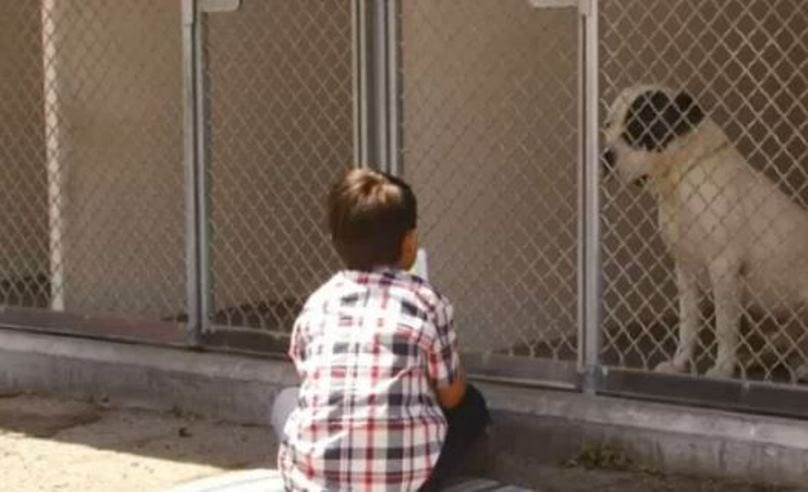
"Pirate the Pit Bull is just like any other shelter dog: lonely and anxious to find a home. But, unlike other dogs, he has something remarkable going for him. A six-year-old boy named Jacob comes weekly to read to him, and that's his favorite time of the week.

Jacob Tumalan hails from La Habra, Orange County; his parents learned early on that their boy had autism. Jacob's mom, Katherine Tumalan, told NBC 4 News that her son has loved books ever since he was a baby, but it seemed to be the only thing in which he was interested.


Katherine Tumalan told NBC 4 News: "I noticed things were different; he didn't want to play with other children."

But a year ago, when Jacob's Aunt, Lisa Ferranti, brought him to the animal shelter where she works, he immediately took to the animals. At the Carson Animal Shelter, which Pirate the Pit Bull currently calls home, Jacob's reading has become the highlight. He comes every week on Therapy Thursday, lays down his mat in front of Pirate's cage, takes out his book, and reads aloud. This gives Pirate much needed interaction and allows Jacob to improve his literacy skills. When Jacob learned that Pirate disliked cats, he chose a book about a kitty who wears colorful shoes.


Jacob is lovingly known as "The boy who read to dogs" at Carson. During his time with Pirate, he has learned to cope with noise, which he had a problem with earlier. He can now block anxiety-causing sounds around him and concentrate on the task at hand: reading to this lonesome shelter dog who just needs a little extra love.


The boy and dog's special story-time seems to have aided them both. Jacob's parents are happy to report that he is now reading at third-grade level. Pirate also seems to have a happy ending in sight; he will soon be staying with a rescue worker for further training until he finds his forever home.

Jacob told NBC 4 News: "If I read to the dogs, they will come out of the cages and find homes."


Click here for the original article and video.


Friday, May 20, 2016

Fuzzy Friday- Here's Definitive Proof That Dogs Always Make Everything Better

By Samantha Grossman
from The Dodo

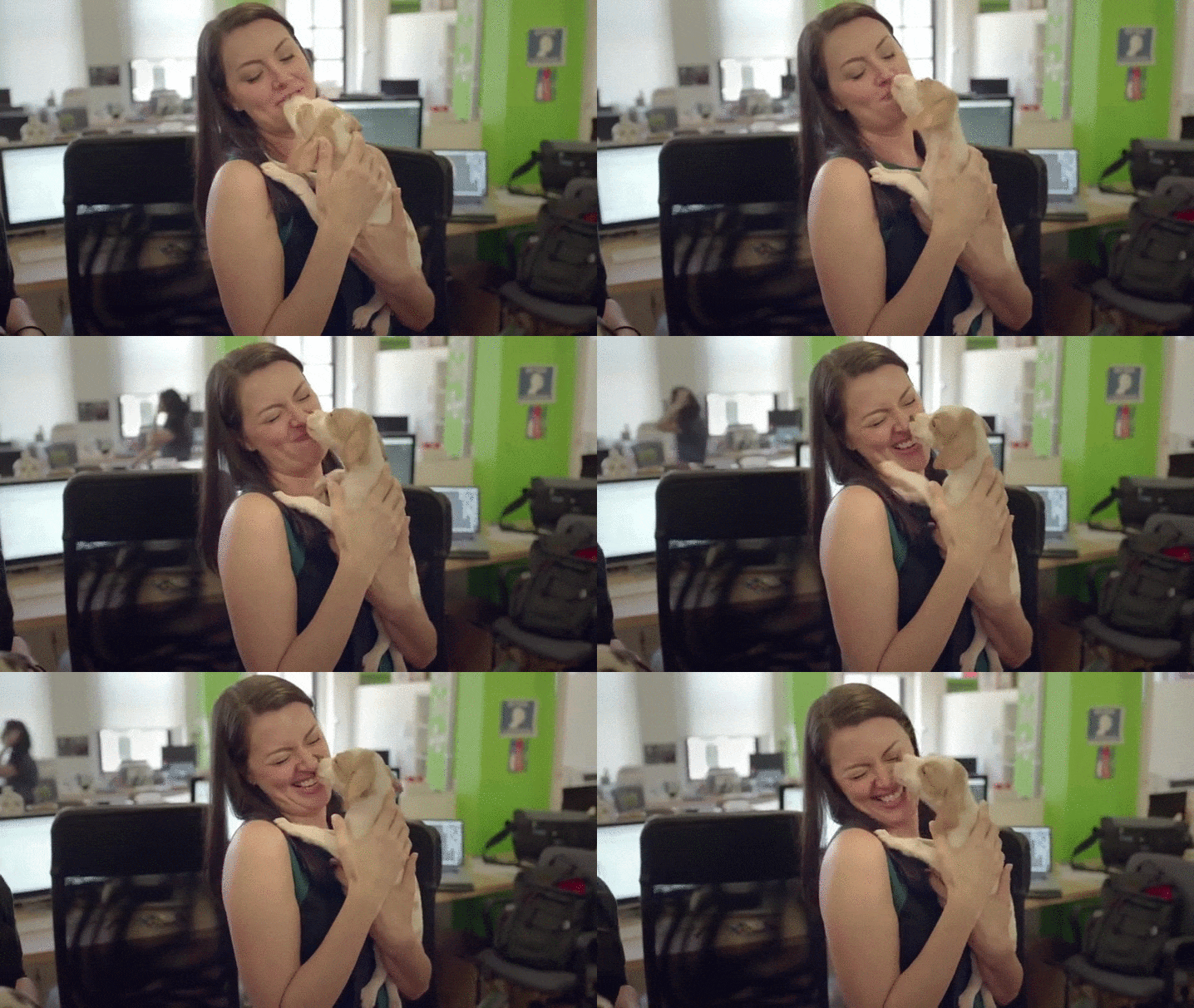
"Those of us lucky enough to work in dog-friendly offices know that having furry friends around the workplace is the best. It reduces everyone's stress level and adds some humor and levity to otherwise routine workdays.

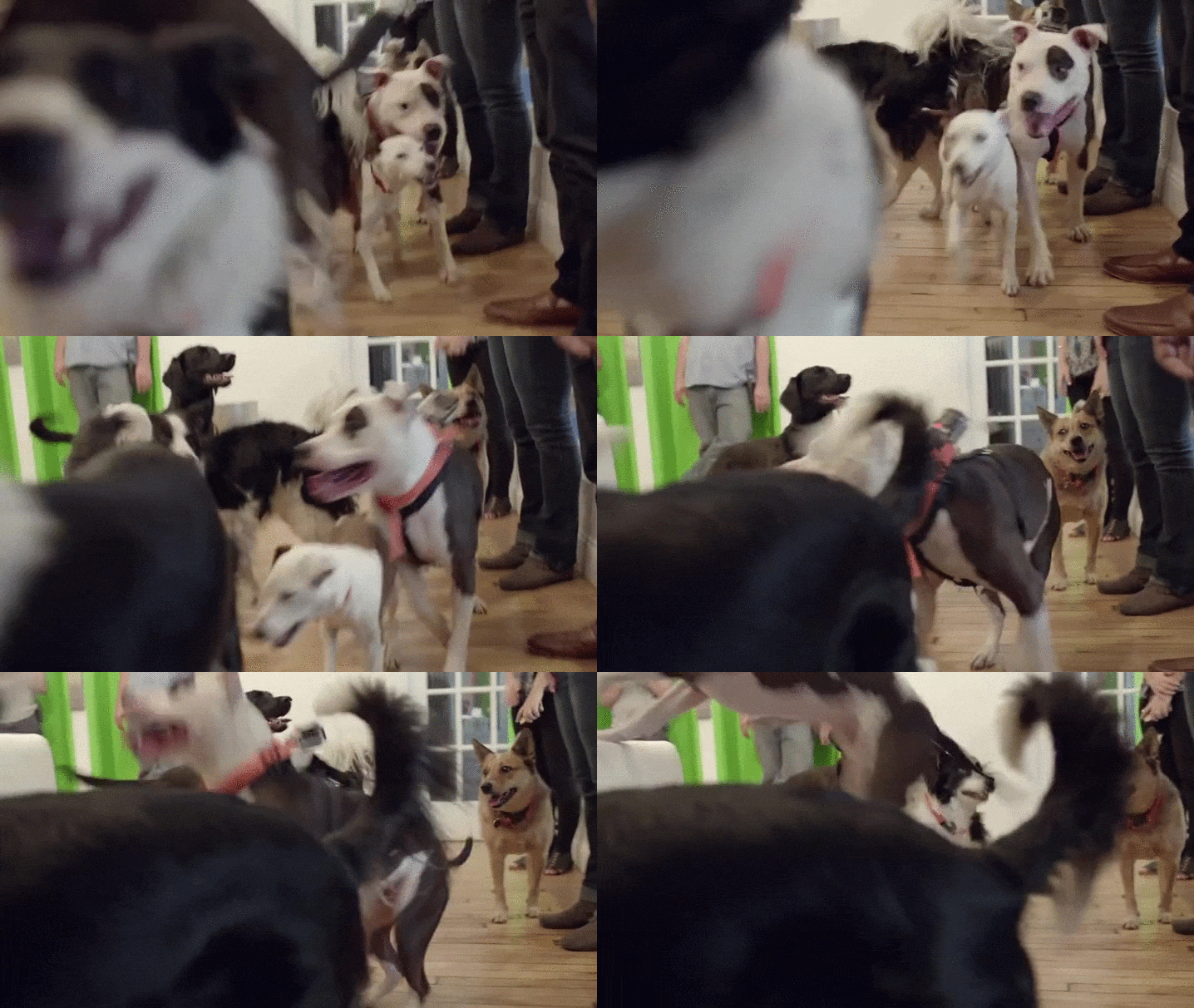
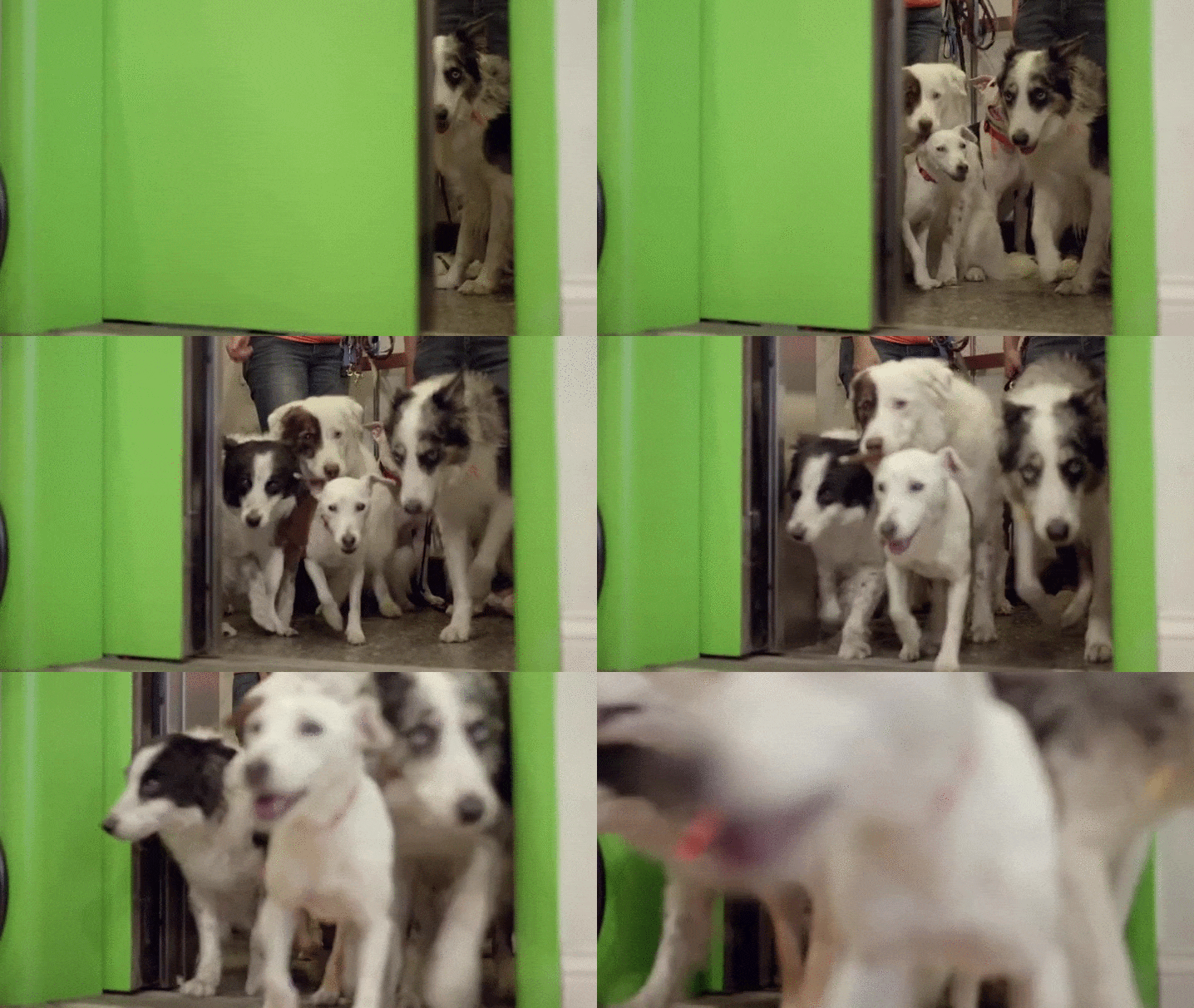
But, of course, the majority of office employees don't get the pleasure of working side by side with dogs on the regular. So the pet food company Dogswell decided to surprise a group of unsuspecting New York City office workers with dogs.

Like, a lot of dogs.


The idea behind this canine ambush was to help alleviate the workers' stress. Here's how it went down: The Dogswell team pretended to be a news crew planning to interview everyone about stress in their workplace.

Then they arrived and unleashed the dogs.


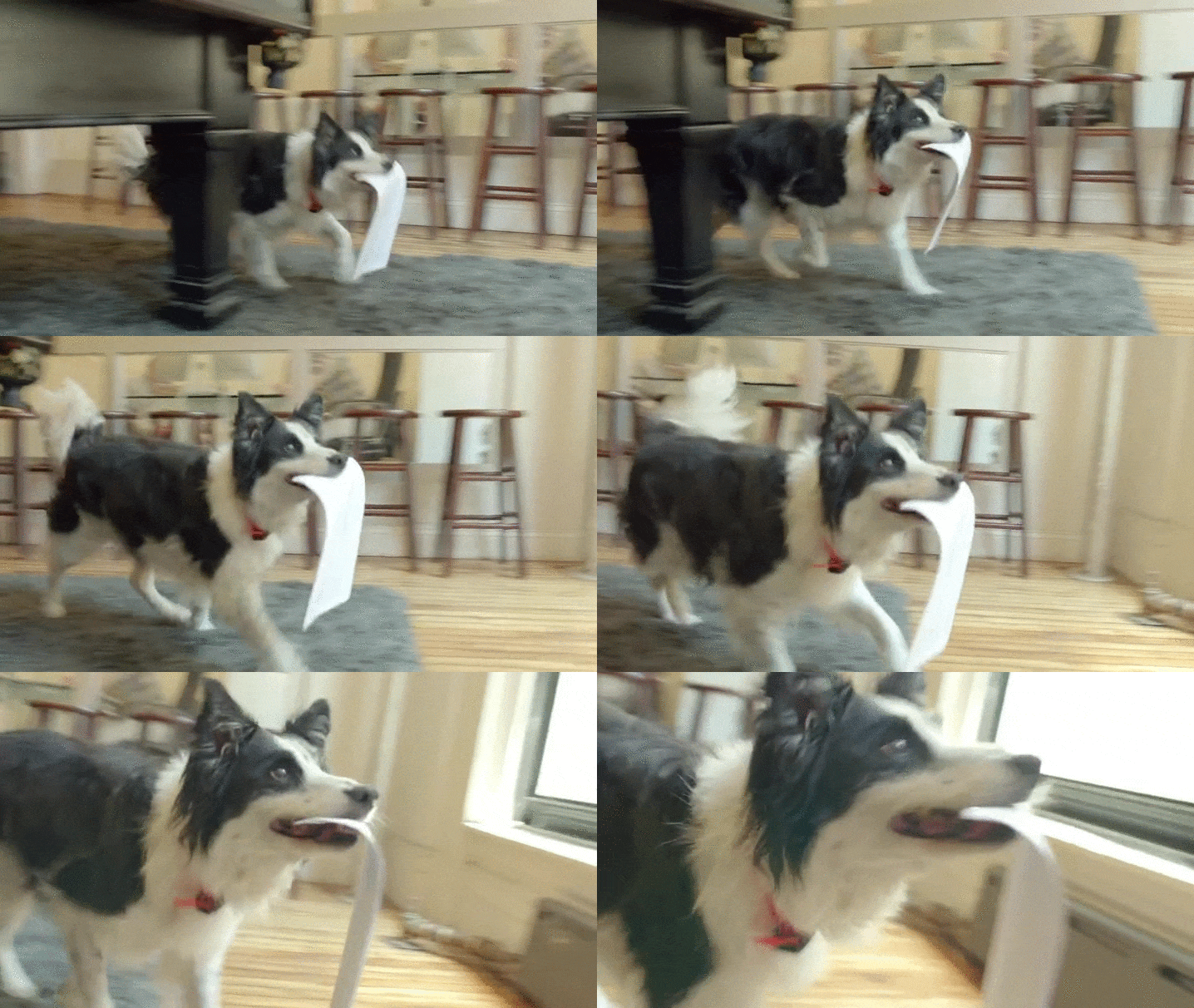
Most of the pups just ran around giving out kisses and demanding belly rubs, but some actually made themselves useful around the office.


And then guess what happened?
Nobody. Could. Stop. Smiling.


Kind of hard to be stressed when you're surrounded by so many fluffy little goofballs.

Watch the full video here:


Click here for the original article.


Thursday, May 19, 2016

Pets in Vehicles

"Every year, hundreds of pets die from heat exhaustion because they are left in parked vehicles. We've heard the excuses: "Oh, it will just be a few minutes while I go into the store," or "But I cracked the windows..." These excuses don't amount to much if your pet becomes seriously ill or dies from being left in a vehicle.

The temperature inside your vehicle can rise almost 20 degrees F in just 10 minutes. In 20 minutes, it can rise almost 30 degrees F and the longer you wait, the higher it goes. At 60 minutes, the temperature in your vehicle can be more than 40 degrees higher than the outside temperature. Even on a 70-degree day, that's 110 degrees inside your vehicle!

Your vehicle can quickly reach a temperature that puts your pet at risk of serious illness and even death, even on a day that doesn't seem hot to you. And cracking the windows makes no difference.

Want numbers? An independent study showed that the interior temperature of vehicles parked in outside temperatures ranging from 72 to 96 degrees F rose steadily as time increased. Another study, performed by the Louisiana Office of Public Health, found that the temperatures in a dark sedan as well as a light gray minivan parked on a hot, but partly cloudy day, exceeded 125 degrees F within 20 minutes. 


This study also found that cracking the windows had very little effect on the temperature rise inside the vehicle. This is definitely a situation where "love 'em and leave 'em" is a good thing. Please leave your pets at home when you can... they'll be safe and happily waiting for you to come home.

...but wait, there's more!

The risks associated with pets in vehicles don't end with heatstroke. Just as you should always wear your seat belt to protect you in case of a collision, your pet should always be properly restrained while in the vehicle. That means a secure harness or a carrier. 

A loose, small pet could crawl down in the foot well, interfering with use of the brake or accelerator pedal. A small pet sitting in your lap could be injured or killed by the airbag or could be crushed between your body and the airbag in a collision, and a large pet leaning across your lap can interfere with your view of the road and can be injured by the air bag in a collision. Unrestrained pets could be thrown out or through windows or windshields in a collision. And not only could your pet be injured in the collision, but it might also increase your risk of collision by distracting you and taking your attention away from where it should be - on the road.

To learn more about the importance of restraining your pets, visit Paws to Click.

Most of us smile when we see a dogs face happily hanging out a window, digging the ride and the smells wafting on the breeze, but this is a very risky venture for the dog for three reasons. One, it means your dog isn't properly restrained - and we've already told you why that's so important. Two, your dog is at high risk of eye, ear, face, and mouth injury from airborne objects when it's got its face hanging out the window. Three, letting your dog hang any part of its body out of the window increases the risk that (s)he could be thrown out of the vehicle during a collision, lose its balance and fall out of the open window during an abrupt turn or maneuver, or jump out of the vehicle to threaten another dog or a person.

And let's not forget the severe dangers of driving with your dog in the bed of a pickup truck. Dogs can fall or jump from the truck bed and be injured or killed on impact, or be struck by other traffic. And just as letting your dog hang its head out of the window puts it at risk of injury from debris, a dog in a truck bed is even more exposed to airborne hazards. Using an appropriate-length tether may reduce the risk that your dog will exit the truck bed, but the tether could tangle, injure, or even choke your dog. If you must transport your dog in the bed of a pickup truck, sue a secured and appropriately sized and ventilated dog kennel. 
(For more information, read out Dogs Traveling in Truck Beds literature review)

Before you put your pet in the vehicle, ask yourself if you really need to take your pet with you - and if the answer is no, leave your pet safely at home. If you must take your pet with you, make sure (s)he is properly restrained so the trip is as safe as possible for both of you."

Click here for the original article.


Wednesday, May 18, 2016

Why Ticks Threaten the Entire Pet-Owning Family

By Steve Dale from Veterinary Practice News

"If a dog is diagnosed with Lyme disease, veterinarians should talk to the clients about getting tested themselves.


One Health isn't just talk any longer. It all began a couple years ago with the people dressed in green. Some wore homemade tick costumes as they marched down Michigan Avenue in Chicago chanting "Let's fight Lyme!" It was quite a sight.

I host a pet show on WGN Radio, and the studios are nearly like a "Today" show setup - facing Michigan Avenue and a concrete area called Pioneer Court, where the 50 or so marchers gathered. Hoping to gain radio attention, it's not unusual for groups to stop there.

Before my pet show began, I was sitting in with another host who asked the group on live radio, "Why are you here?" They spoke about Lyme disease and why awareness is important.

As we continued chatting, they were amazed that I knew so much about tick diseases. I explained, "It's because I attend veterinary conferences."

At a news break, I went outside to talk with them further. They showed me images and video from their phones of relatives whose lives have been altered as a result of a bit from a tick. Some were children. 

I was touched and moved to tears.

That's when I realized that we might be able to do more to protect our dogs from tick disease than we can ourselves.

People don't wear tick collars, snack on chewable tick protection or apply spot-on products on our backs. And, at least so far, a Lyme vaccine for people isn't available.

I thought: If a dog is diagnosed with Lyme or any other tick disease, family members likely have been on the other end of that leash, sharing the same environment.

Also, children may be more susceptible to tick bites. Like dogs, they're close to the ground, and they might be more likely to run into bushes or other places where ticks hang out. Very small ticks may not even be noticed, as children pay no attention, and mom and dad may not be checking carefully.

As the Companion Animal Parasite Council notes, the prevalence of tick disease in dogs is on the rise and spreading. Veterinary parasitologists have told me that the problem is an epidemic. 

It doesn't matter what we call it. Tick disease is here, and it affects people and dogs.

In the spirit of One Health, I thought that each time a veterinarian diagnoses tick disease in a dog, a suggestion should be for family members to see a physician. After all, someone was at the other end of that leash sharing the same environment.

Similarly, if a pediatrician diagnoses tick disease, the doctor might ask if there's a family dog. If the answer is "yes," then a visit to a veterinarian is a good idea.

Dr. Natalie Marks in Chicago did just that. She diagnosed Lyme in a dog and gently suggested that the owner see her doctor, despite the fact that she said she felt fine.

Thankfully she listened to Dr. Marks. The dog's owner was diagnosed with Lyme disease. And, like most illnesses, early diagnosis is helpful.

Of course, we don't get tick disease from dogs. Ticks are the "bad guys" sharing their nasty pathogens equally with people and their pets.

I am proud to announce the launch of a One Health Initiative called Stop Lyme.

Dr. Ron DeHaven, AMVA's CEO agreed: "More today than ever, we live in the same environment as our pets, and this can be especially true for our children. Hence disease that might affect our pets could also affect our children. If Lyme disease is diagnosed in a child, it's very possible that the family dog also has been exposed, and vise versa."

"By focusing on disease in animals, we can impact human health as well," he continued. "this is the basic concept of One Health - that the health of people, animals and the environment are inextricable linked. This also is consistent with our mission statement at AVMA: 'The mission of the association is to lead the profession by advocating for its members and advancing the science and practice of veterinary medicine to improve human and animal health."

"It's vital we work alongside physicians to enhance the understanding of diseases affecting human and animal patients," he added.

 Attempting to better understand tick disease in people and in pets, I've attended several sessions where veterinarians and physicians share a stage, including the One Health Zoobiquity initiative event.

Clearly, the approach for diagnosing and treating tick disease in dogs compared to people might be different, so there is a gap to bride. And I realize that dogs aren't people.

Still, ticks don't care much about any of that. And not only is tick disease likely on the rise, but parasitologists (human and veterinary) agree that some pathogens infecting dogs and people probably haven't been discovered yet. Yuck. And that's kind of scary.

What appears abundantly clear to me is that public awareness and education about tick diseases will help people and dogs.

"I don't believe tick disease is talked about enough in the media," Marks said. "And oftentimes, when it is talked about there's misinformation. This is a huge opportunity to inform people so they can more effectively protect all their family members - those with two legs and four."

Merck Animal Health is supporting this campaign, but it's not so much about selling product as it is about doing what's right. Here's what I mean: While attending WVC in Las Vegas, I met a veterinary technician from upstate New York, and we were chatting about my idea to launch this One Health campaign. She began to weep.

"I love being a veterinary technician," she said. "But I may have to leave my job because I just no longer have the strength. I was diagnosed with Lyme. In some ways, I'm no longer the same person I was. And I've learned that I'm hardly alone."

She hugged me and added, "You definitely will help dogs and, I bet, will do even more to help people."'

Click here for the original article.


Monday, April 11, 2016

National Pet Day!

It's National Pet Day!

This is the perfect day to celebrate the furry friends of our team here at Endoscopy Support Services!

Jimmy's dog Bailey

Anthony with Ricky

Maria's dogs Francesca and Rocky

Maria's guinea pigs Rosie and Daisy

Rich's pet horse that keeps him company in his office

Tim's cats Milkshakes and Shocker

Tim's dogs Becky and Finn


Tell us about your furry friends!