Saturday, May 21, 2016

Armed Forces Day

It's National Armed Forces Day!


Today is a day to salute, support, and thank all of the men and women in all branches of the service who serve and protect our country. 

In August of 1949, the then U.S Secretary of Defense - Louis Johnson, announced the creation of an Armed Forces Day to replace the separate Army, Navy, and Air Force Days. This event stemmed from the armed forces' unification under the Department of Defense. 

The first Armed Forces day was celebrated Saturday, May 20 1950. The day showed the unification of all military forces under one government department and boasted the theme "Teamed for Defense." This day was designed to expand public understanding of the type of job that was performed by the members of the military and the role of the military in civilian life. 


Friday, May 20, 2016

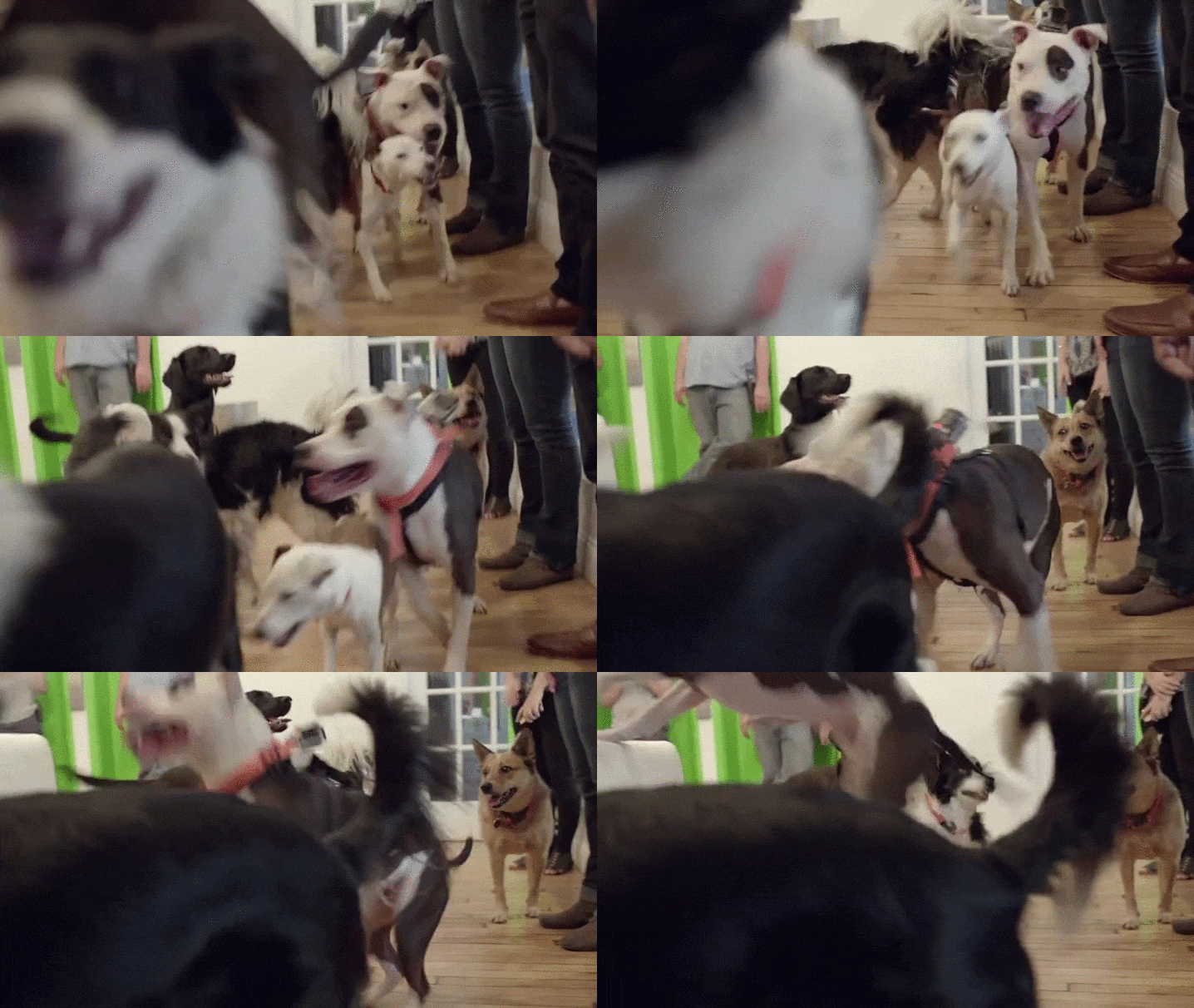
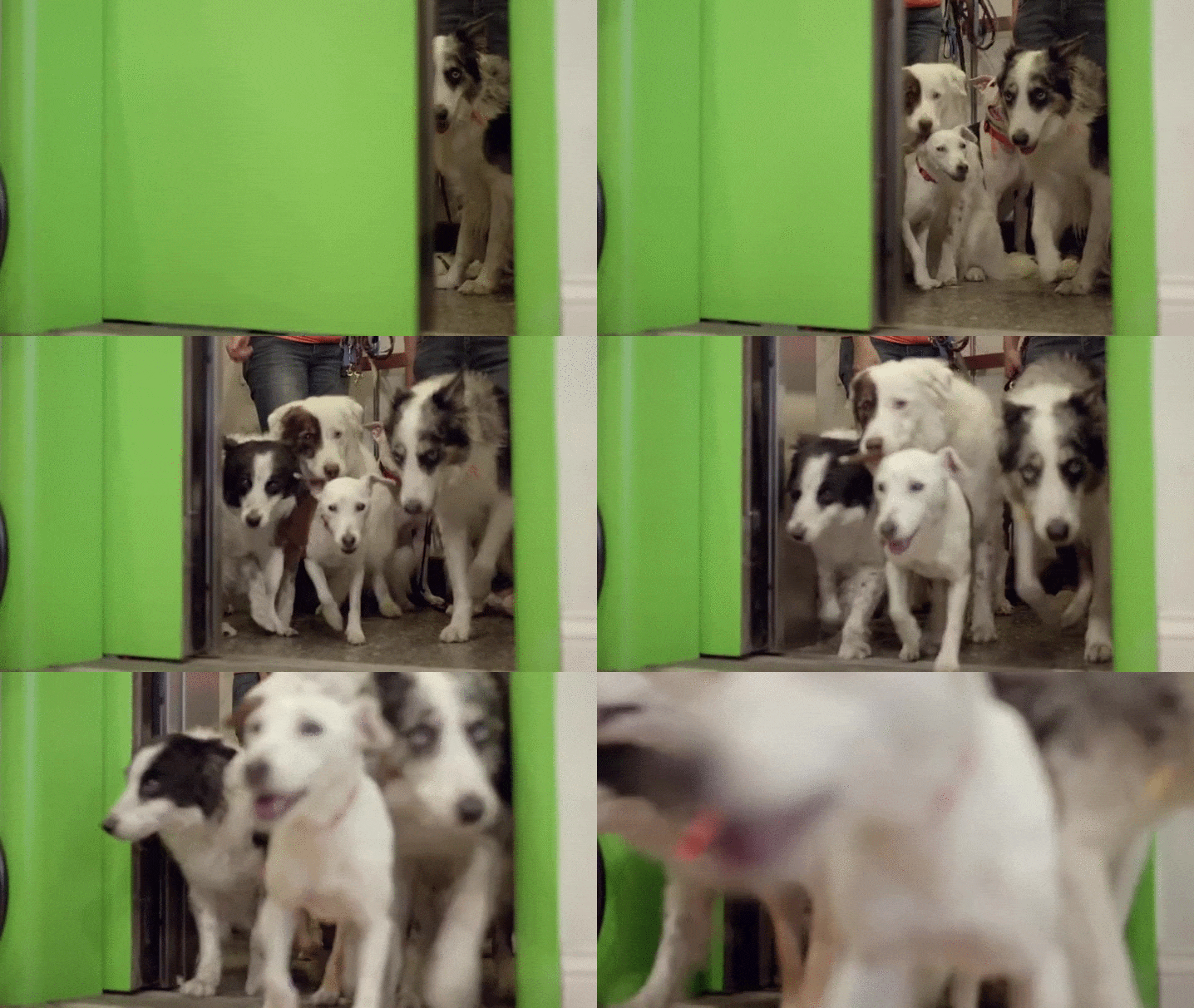
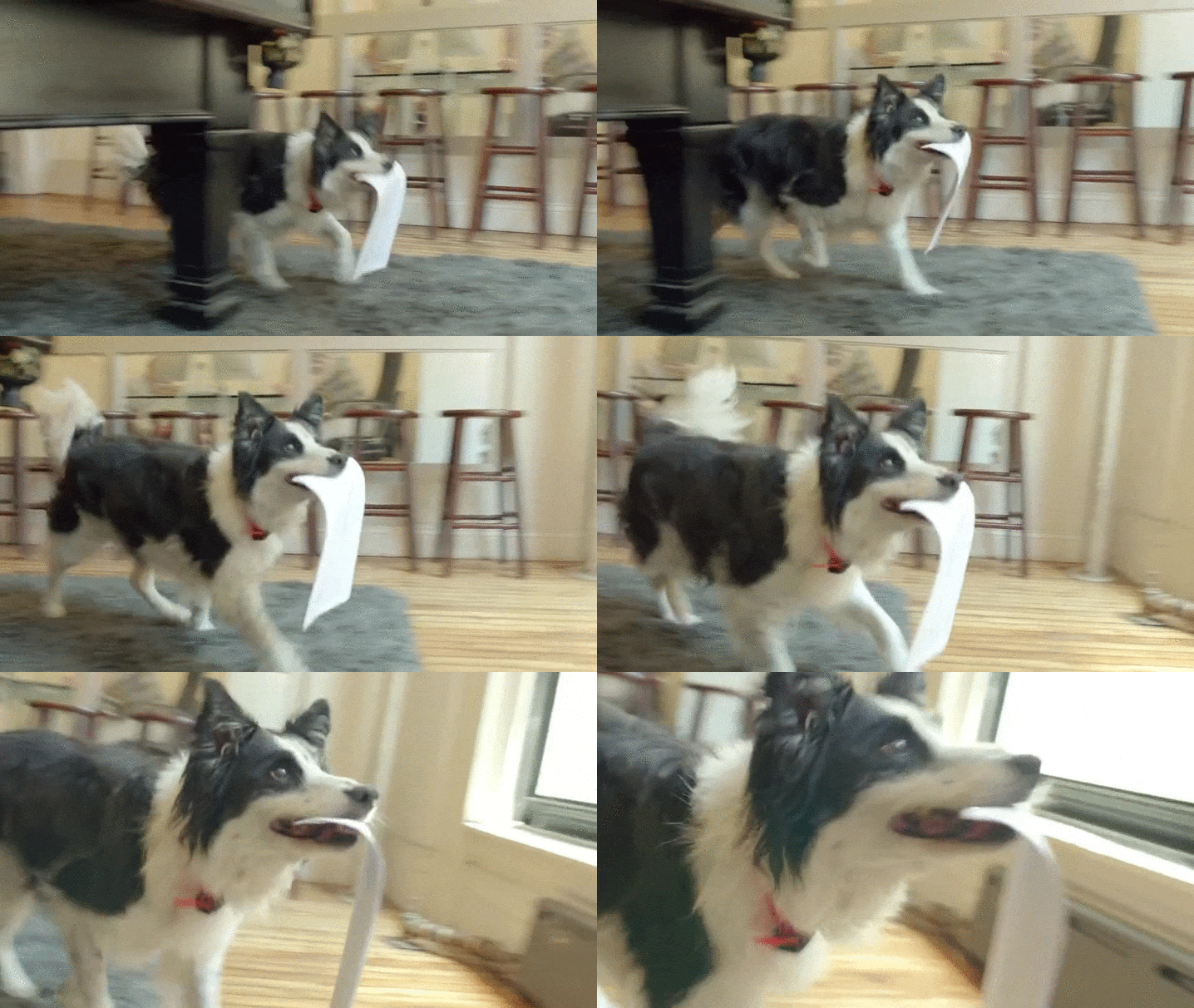
Fuzzy Friday- Here's Definitive Proof That Dogs Always Make Everything Better

By Samantha Grossman
from The Dodo

"Those of us lucky enough to work in dog-friendly offices know that having furry friends around the workplace is the best. It reduces everyone's stress level and adds some humor and levity to otherwise routine workdays.

But, of course, the majority of office employees don't get the pleasure of working side by side with dogs on the regular. So the pet food company Dogswell decided to surprise a group of unsuspecting New York City office workers with dogs.

Like, a lot of dogs.


The idea behind this canine ambush was to help alleviate the workers' stress. Here's how it went down: The Dogswell team pretended to be a news crew planning to interview everyone about stress in their workplace.

Then they arrived and unleashed the dogs.


Most of the pups just ran around giving out kisses and demanding belly rubs, but some actually made themselves useful around the office.


And then guess what happened?
Nobody. Could. Stop. Smiling.


Kind of hard to be stressed when you're surrounded by so many fluffy little goofballs.

Watch the full video here:


Click here for the original article.


How to Recognize Animal Abuse and knowing when to intervene as a veterinary professional


By Stephanie Duncan


"Animal cruelty is an unfortunate, horrific reality involving innocent beings that are unable to speak up for themselves. Veterinary professionals have a moral, ethical and, in some states, legal obligation to be the voice for these victims.

Animal cruelty is a catchall statement for offenses that include neglect, abuse, abandonment, animal fighting and even practicing veterinary medicine without a license. State laws vary in whether animal cruelty is deemed a misdemeanor or a felony, and they even go so far as to detail which animals are included. For example, New York laws cover "every living creature except a human being," while in Alaska, protected animals include vertebrates but not fish.

Veterinarian's Obligation

Several states have laws in place that address the issue of veterinarians reporting suspected animal cruelty and abuse. These include Arizona, which outlines a veterinarian's duty to report suspected canine participants of dog fighting. Oregon makes it mandatory for veterinarians to report aggravated animal abuse. Additionally, Kansas requires veterinarians to report cruel or inhumane treatment, and failure to do so could result in disciplinary action.

Because laws vary from state to state, it's vital that veterinarians review local and state animal cruelty laws.

A veterinarian's role in animal cruelty cases is to be the medical expert and not the prosecutor, judge and jury. Thomas Skadron, DVM, owner of Skadron Animal Hospital in West St. Paul, Minn., and a Veterinary Hospitals Association board member, had a suspected cruelty case in which local law enforcement asked that he get involved.

"The dog that came in had a broken femur, and we donated the fracture repair via intramedullary pins as opposed to amputation or euthanasia," he said. "In this case, it meant the difference between being treated and not being treated.

Identifying Cruelty

In some cases, cruelty is obvious because of the type of injuries suffered. Others are subtle and characterized as behavior issues.

-Neglect: Signs may be seen not only in the pet but in the owner's behavior as well. The client might exhibit a lack of concern for the animal's welfare, refuse treatment, workups or grooming, or decline euthanasia. The animal might present with a poor body condition or severely matted fur, or it may have indications of being left unattended and continually chained up. These animals might not have access to adequate shelter, food or water, and the owner may have an excessive number of animals.
-Hoarding: Animals kept in hoarding-like conditions often are seen for trauma or preventable contagious and parasitic diseases. the owner may visit several clinics so as to not raise suspicion. A veterinarian may want to check with nearby practitioners to see whether the same owner is arriving with different patients.
-Dog Fighting: Animals used in dog fighting have characteristic bite and scar patterns in sensitive areas, including the head, neck and legs. Owners may try to treat the injuries themselves, and they may be reluctant to explain how the animal was hurt. The animal might be missing body parts, such as an ear or tail.
-Intentional Injuries: Deliberate harm is inflicted on an animal when an owner or someone else intentionally causes pain or injury. The pet comes in with injuries not consistent with its history, or the injuries are too severe to support the client's story. The pet may display abnormal behaviors such as relaxing when the owner is out of the room or shying away from the client.

It's important to keep in mind that good Samaritans exist. These individuals may find a neglected, abandoned or wounded animal and bring it to the clinic.

Justine Lee, DVM, Dipl. ACVECC, Dipl. ABT, of Animal Emergency and Referral Center of Minnesota and the CEO and founder of VETgirl, recalled a disturbing case:

"An emaciated pit bull, who normally should have weighed 50 to 55 pounds, was brought in. This dog weighed less than 30 pounds. It was obvious animal cruelty, and I was thankful it was a neighbor that physically brought the dog and owner in and had the owner surrender the dog to us to address its medical needs. We were able to find a foster and rescue organization to care for the dog, allowing it to be rehomed."

What Can You Do?

Clinic owners should have an animal cruelty plan in place, and the team should be fully trained on standard operating procedures.

-Know your local and state laws. Each state is different, including whether suspected animal cruelty must be reported and if veterinarians are offered any protection.
-Know who needs to be contacted - whether local law enforcement or animal control - and the specific individuals within those organizations.
-Establish an in-house policy that details which samples to obtain, questions to ask, diagnostics to run and reporting forms to compete. The American Veterinary Medical Association offers a document, "Practical Guidance for the Effective Response by Veterinarians to Suspected Animal Cruelty, Abuse and Neglect," which includes sample reporting forms and protocols that clinics can use.

When an owner brings in a pet and the veterinarian or staff on call suspect cruelty, it's important to keep calm and avoid jumping to conclusions. The first step is to gather as much information as possible and ask open-ended questions such as, "How and when did this happen?" and "Who was involved?"

Dr. Skadron and his team approach suspected cruelty carefully because incorrect assumptions could be highly offensive to the owner. He suggests reviewing the patient's history, whether the injuries match the story, and whether the animal has behavioral or biting issues.

As you assess and treat the patient, document and take samples as thoroughly as possible. Keep in mind that veterinarians are not permitted to hold animals or perform treatment without owner consent. The owner could argue that treatments or diagnostics are too costly; however, there are workarounds. Skadron believes his team should be in a position "to do anything we can in these situations to help the pet, even if it means a donation of hospital resources and offering a new home."

Once the pet is assessed, review the owner and the owner's behavior. Was he indifferent or concerned about his pet? Did she want to pursue medical treatment or did she decline? How does the pet react and respond to the owner? These little warning signs can make a difference in an animal cruelty case, and it's important to remember and document them all.

Dr. Lee treated a dog that was paralyzed when hit by a car, and the owners' indifference to the pet's poor prognosis and potential suffering was a red flag.

"The owners took their dog home against medical advice, and after multiple follow-up phone calls to check on the dog, I discovered they never sought veterinary care afterwards despite recommendations," Lee said. "I checked with hospital management to see if there was a specific policy and ended up utilizing the local animal humane society to direct my animal cruelty report to."

Once the exam is complete and treatment is administered, veterinarians have the choice to educate or report. Is the cruelty happening because of the owner's lack of knowledge? If so, it could be accidental and the behavior could be changed with education. For example, if the pet comes in severely matted, with overgrown nails and ear mites, educating about recommended grooming could rectify the situation. However, if the pet continually comes in with matted hair, overgrown nails and ear mites despite education, referrals and recommendations, it might be time to report the case as animal cruelty.

In many cases, veterinarians may be concerned about getting someone in trouble, preserving client relationships and an ever-present fear: What if I'm wrong?

Lee encourages veterinarians to follow professional recommendations.

"For me, I found my best avenue and approach is to contact the local humane society and escalate the situation to an appropriate agent who can check on the welfare of the pet," she said. "Likewise, one can call the police if they believe the situation is severe enough. We must be an advocate for animals who don't have a voice."

Many states - Arizona and Oregon among them - offer immunity from civil or criminal liability if a report is made in good faith. It's critical that clinic owners, veterinarians and the staff understand local and state regulations regarding liability and good-faith protections.

Beyond Animal Cruelty

Animal abuse may signal that something is wrong within the owner's family and that other trouble is occurring.

"It's important to realize that when there's abuse to an animal there may be abuse to a child or spouse," Lee said.

During her time in Philadelphia, Lee treated an iguana that had been maliciously thrown against a wall. The pet was brought in by a mother and her child. The child had a black eye. Researchers have confirmed that animal cruelty can co-occur with spousal, child and elder abuse.

In other scenarios, animal cruelty can be a sign of mental illness.

Lee treated an English bulldog with a fractured leg that needed surgical correction. Weeks later, the owner brought in the same dog because of trauma to the spleen and secondary hemoabdomen. That's when Lee alerted management because of the possibility that the client suffered from Munchausen by proxy syndrome, a rare form of animal cruelty in which the owner seeks attention through injuring the animal.

Call in the Feds

Animal cruelty is a serious offense, one that veterinarians are at the front line to combat. The FBI has escalated animal cruelty to be a Class A felony, part of the same grouping of violent crimes that include homicides and assaults. The FBI also tracks cases to learn more about the correlation between animal cruelty and other crimes. In addition, states are considering publishing - or already publish - registries of animal cruelty offenders to further prohibit repeated offenders from owning anymore animals."

Click here for the original article from 
Veterinary Practice News.


Thursday, May 19, 2016

COSM 2016

If you're at COSM 2016, 
don't forget to stop by 
Booth 320
 to say "Hi" to our team!


Pets in Vehicles

"Every year, hundreds of pets die from heat exhaustion because they are left in parked vehicles. We've heard the excuses: "Oh, it will just be a few minutes while I go into the store," or "But I cracked the windows..." These excuses don't amount to much if your pet becomes seriously ill or dies from being left in a vehicle.

The temperature inside your vehicle can rise almost 20 degrees F in just 10 minutes. In 20 minutes, it can rise almost 30 degrees F and the longer you wait, the higher it goes. At 60 minutes, the temperature in your vehicle can be more than 40 degrees higher than the outside temperature. Even on a 70-degree day, that's 110 degrees inside your vehicle!

Your vehicle can quickly reach a temperature that puts your pet at risk of serious illness and even death, even on a day that doesn't seem hot to you. And cracking the windows makes no difference.

Want numbers? An independent study showed that the interior temperature of vehicles parked in outside temperatures ranging from 72 to 96 degrees F rose steadily as time increased. Another study, performed by the Louisiana Office of Public Health, found that the temperatures in a dark sedan as well as a light gray minivan parked on a hot, but partly cloudy day, exceeded 125 degrees F within 20 minutes. 


This study also found that cracking the windows had very little effect on the temperature rise inside the vehicle. This is definitely a situation where "love 'em and leave 'em" is a good thing. Please leave your pets at home when you can... they'll be safe and happily waiting for you to come home.

...but wait, there's more!

The risks associated with pets in vehicles don't end with heatstroke. Just as you should always wear your seat belt to protect you in case of a collision, your pet should always be properly restrained while in the vehicle. That means a secure harness or a carrier. 

A loose, small pet could crawl down in the foot well, interfering with use of the brake or accelerator pedal. A small pet sitting in your lap could be injured or killed by the airbag or could be crushed between your body and the airbag in a collision, and a large pet leaning across your lap can interfere with your view of the road and can be injured by the air bag in a collision. Unrestrained pets could be thrown out or through windows or windshields in a collision. And not only could your pet be injured in the collision, but it might also increase your risk of collision by distracting you and taking your attention away from where it should be - on the road.

To learn more about the importance of restraining your pets, visit Paws to Click.

Most of us smile when we see a dogs face happily hanging out a window, digging the ride and the smells wafting on the breeze, but this is a very risky venture for the dog for three reasons. One, it means your dog isn't properly restrained - and we've already told you why that's so important. Two, your dog is at high risk of eye, ear, face, and mouth injury from airborne objects when it's got its face hanging out the window. Three, letting your dog hang any part of its body out of the window increases the risk that (s)he could be thrown out of the vehicle during a collision, lose its balance and fall out of the open window during an abrupt turn or maneuver, or jump out of the vehicle to threaten another dog or a person.

And let's not forget the severe dangers of driving with your dog in the bed of a pickup truck. Dogs can fall or jump from the truck bed and be injured or killed on impact, or be struck by other traffic. And just as letting your dog hang its head out of the window puts it at risk of injury from debris, a dog in a truck bed is even more exposed to airborne hazards. Using an appropriate-length tether may reduce the risk that your dog will exit the truck bed, but the tether could tangle, injure, or even choke your dog. If you must transport your dog in the bed of a pickup truck, sue a secured and appropriately sized and ventilated dog kennel. 
(For more information, read out Dogs Traveling in Truck Beds literature review)

Before you put your pet in the vehicle, ask yourself if you really need to take your pet with you - and if the answer is no, leave your pet safely at home. If you must take your pet with you, make sure (s)he is properly restrained so the trip is as safe as possible for both of you."

Click here for the original article.


Wednesday, May 18, 2016

Why Ticks Threaten the Entire Pet-Owning Family

By Steve Dale from Veterinary Practice News

"If a dog is diagnosed with Lyme disease, veterinarians should talk to the clients about getting tested themselves.


One Health isn't just talk any longer. It all began a couple years ago with the people dressed in green. Some wore homemade tick costumes as they marched down Michigan Avenue in Chicago chanting "Let's fight Lyme!" It was quite a sight.

I host a pet show on WGN Radio, and the studios are nearly like a "Today" show setup - facing Michigan Avenue and a concrete area called Pioneer Court, where the 50 or so marchers gathered. Hoping to gain radio attention, it's not unusual for groups to stop there.

Before my pet show began, I was sitting in with another host who asked the group on live radio, "Why are you here?" They spoke about Lyme disease and why awareness is important.

As we continued chatting, they were amazed that I knew so much about tick diseases. I explained, "It's because I attend veterinary conferences."

At a news break, I went outside to talk with them further. They showed me images and video from their phones of relatives whose lives have been altered as a result of a bit from a tick. Some were children. 

I was touched and moved to tears.

That's when I realized that we might be able to do more to protect our dogs from tick disease than we can ourselves.

People don't wear tick collars, snack on chewable tick protection or apply spot-on products on our backs. And, at least so far, a Lyme vaccine for people isn't available.

I thought: If a dog is diagnosed with Lyme or any other tick disease, family members likely have been on the other end of that leash, sharing the same environment.

Also, children may be more susceptible to tick bites. Like dogs, they're close to the ground, and they might be more likely to run into bushes or other places where ticks hang out. Very small ticks may not even be noticed, as children pay no attention, and mom and dad may not be checking carefully.

As the Companion Animal Parasite Council notes, the prevalence of tick disease in dogs is on the rise and spreading. Veterinary parasitologists have told me that the problem is an epidemic. 

It doesn't matter what we call it. Tick disease is here, and it affects people and dogs.

In the spirit of One Health, I thought that each time a veterinarian diagnoses tick disease in a dog, a suggestion should be for family members to see a physician. After all, someone was at the other end of that leash sharing the same environment.

Similarly, if a pediatrician diagnoses tick disease, the doctor might ask if there's a family dog. If the answer is "yes," then a visit to a veterinarian is a good idea.

Dr. Natalie Marks in Chicago did just that. She diagnosed Lyme in a dog and gently suggested that the owner see her doctor, despite the fact that she said she felt fine.

Thankfully she listened to Dr. Marks. The dog's owner was diagnosed with Lyme disease. And, like most illnesses, early diagnosis is helpful.

Of course, we don't get tick disease from dogs. Ticks are the "bad guys" sharing their nasty pathogens equally with people and their pets.

I am proud to announce the launch of a One Health Initiative called Stop Lyme.

Dr. Ron DeHaven, AMVA's CEO agreed: "More today than ever, we live in the same environment as our pets, and this can be especially true for our children. Hence disease that might affect our pets could also affect our children. If Lyme disease is diagnosed in a child, it's very possible that the family dog also has been exposed, and vise versa."

"By focusing on disease in animals, we can impact human health as well," he continued. "this is the basic concept of One Health - that the health of people, animals and the environment are inextricable linked. This also is consistent with our mission statement at AVMA: 'The mission of the association is to lead the profession by advocating for its members and advancing the science and practice of veterinary medicine to improve human and animal health."

"It's vital we work alongside physicians to enhance the understanding of diseases affecting human and animal patients," he added.

 Attempting to better understand tick disease in people and in pets, I've attended several sessions where veterinarians and physicians share a stage, including the One Health Zoobiquity initiative event.

Clearly, the approach for diagnosing and treating tick disease in dogs compared to people might be different, so there is a gap to bride. And I realize that dogs aren't people.

Still, ticks don't care much about any of that. And not only is tick disease likely on the rise, but parasitologists (human and veterinary) agree that some pathogens infecting dogs and people probably haven't been discovered yet. Yuck. And that's kind of scary.

What appears abundantly clear to me is that public awareness and education about tick diseases will help people and dogs.

"I don't believe tick disease is talked about enough in the media," Marks said. "And oftentimes, when it is talked about there's misinformation. This is a huge opportunity to inform people so they can more effectively protect all their family members - those with two legs and four."

Merck Animal Health is supporting this campaign, but it's not so much about selling product as it is about doing what's right. Here's what I mean: While attending WVC in Las Vegas, I met a veterinary technician from upstate New York, and we were chatting about my idea to launch this One Health campaign. She began to weep.

"I love being a veterinary technician," she said. "But I may have to leave my job because I just no longer have the strength. I was diagnosed with Lyme. In some ways, I'm no longer the same person I was. And I've learned that I'm hardly alone."

She hugged me and added, "You definitely will help dogs and, I bet, will do even more to help people."'

Click here for the original article.


COSM 2016

It's time for the COSM convention!


Be sure to stop by 
Booth 320
to see all we have to offer!


Sunday, May 15, 2016

CVC

It's the final day of CVC!


Don't miss your chance to stop by 
Booth 402
for all your endoscopy needs!


Chocolate Chip Cookie Day!

It's National Chocolate Chip Cookie Day!


"Half of all cookies sold today in the U.S. are chocolate chip, but the popular cookies were actually invented by accident. The story goes that in 1930, Ruth Graves Wakefield mixed semi-sweet chocolate chunks into a batch of Butter Drop Do sugar cookies that she was baking for guests at the Toll House Inn, in Whitman, Mass., according to Nestle. The chocolate was a welcome addition and the chocolate chip cookie we've come to know and love was born and became a hit.

Whether you're a chocolate chip cookie monster or just have the occasional sweet tooth, these recipes will satisfy your craving for the crunchy or chewy cookie variety."


Click here for the recipes!


Friday, May 13, 2016

Flashback Friday

Flashback Friday to our CVC East booth from last year!


Make sure to stop by 
Booth 402 
if you're there this weekend to
 see all the cool, new items we have to offer!


Thursday, May 12, 2016

CVC Virginia Beach!

It's time for the CVC Virginia Beach Conference!


Make sure to stop by 
Booth 402
 to see all that we have to offer!


National Nurses Day!

Happy National Nurses Day!


Do you know why they chose May 12th to celebrate nurses?
It is the birthday of Florence Nightingale!

"There is an old adage that you need a doctor to diagnose you, but a nurse to save your life. This is because nurses are at the bedside with the patient 24 hours a day, 7 days a week. It is the nurse who will take your hand and guide you on your hospital journey, taking time to educate and comfort you along the way. It is the nurse who will worry about your lab values, medications, and assessment findings so that you can focus on healing. It is the nurse who will advocate for you, be it to your doctor, family, or even sometimes yourself. It is the nurse who will take the time to evaluate how you are doing as a person, not just how your body is handling its illness. It is the nurse who finds your coping and overall well-being to be just as important as your medical diagnosis. After all, we do this job because we care."

-From the Huffington Post article
What Do Nurses Do ?


Tuesday, May 10, 2016

Product Highlight- Veterinary Video Endoscopy System

Have you heard about our
Veterinary Video Endoscopy System?


The E.S.S. Veterinary Video Endoscopy System includes our "All-In-One" HVP-2100/2100L Combination video processor, light source with air, and LCD monitor in a compact and portable unit.

This system is:
-Easy to use - With a simple "plug-&-play"
 connection that makes set-up a breeze!
-Versatile - It is designed with a standard Olympus style connector for light guide and air. There is an available camera head to attach for rigid and flexible fiberoptic endoscopes.
-Compact & Portable - This combines all you need for your video endoscopy in one unit: video processor, light source, air pump, and LCD color.


You can use this system with:
-VET-H150 Small Animal G.I. Video Endoscope
-VET-H105 Equine Upper Airway Video Endoscope
-VET-H330 3-Meter Equine G.I. Video Endoscope
-Virtually ALL Olympus flexible fiberoptic endoscopes
-ALL Rigid Endoscopes (with separate purchase of our Universal Light Guide and VET-H1CCD Camera Head)

The HVP-2100/2100L also features a built-in image and video capture!

Now you can capture image stills and video sequences right from the HVP-2100/2100L to any brand standard SD card.


And don't forget about storage with the Padded Transport Case for the HVP-2100/2100L All-In-One!


A hard case with retractable handle and built-in wheels to store, protect and easily transport your HVP-2100/2100L and accessories to wherever you have to go!

It features:
-Durable wooden case with steel edges, corner protectors, case handles and latches.
-Foam padding to help protect equipment from breaking or physical shock damage.
-Holds one (1) HVP-2100/2100L unit, water bottle, optional camera head, cables and accessories (endoscopes should be stored separately and transported in their own case).
-Built-in fixed wheels and retractable handle with push-button release for easy transport.


Want to learn more?
Visit our website or contact us!

You can also visit us at 
Booth 402 at CVC Virginia Beach
 this weekend to ask about it!


Thursday, May 5, 2016

Happy Cinco de Mayo!

Happy Cinco de Mayo!


Did you know that the world's largest Cinco de Mayo celebration doesn't take place in Mexico? 

It actually takes place in Los Angeles, California!

Every year, hundreds of thousands of people attend the "Festival de Fiesta Broadway" on the 5th of May (or on the closest Sunday). 
This large party, complete with parades, food, dancing, music and more, is even bigger than the festivities in Puebla, where the holiday originated. 


Wednesday, May 4, 2016

PENTAX: US Urgent Field Correction: Use of Disposable Water Bottle Assembly and Instructions for Use Addendum for PENTAX Video Processors, Light Sources & Endoscopes with Air/Water Channels

"April 7, 2016

Dear Valued Customer,

PENTAX Medical video processors and light sources are utilized with a disposable water bottle assembly comprised of a tubing adaptor and sterile water bottle that is intended to provide water and air for the cleaning of the objective lens of PENTAX Medical endoscopes. It has come to our attention that the PENTAX Medical Video Processor EPK-i5010 has been shipped with a reusable PENTAX Medical water bottle assembly (OS-H4) which has not been cleared for use with the EPK-i5010 in the United States. As a result, all customers that have previously received an OS-H4 water bottle with an EPK-i5010 for use with an endoscope with an air/water channel should discard these bottles and should use the PENTAX Medical DispoCap Air Tubing in their place. Users of other PENTAX Medical video processors and light sources should also discard their reusable PENTAX water bottle assemblies (OS-H2 &OS-H4) and replace them with the PENTAX Medical DispoCap Air Tubing. In addition, PENTAX Medical is issuing an Addendum to the Operation and Reprocessing Instructions for Use (IFU) for certain models of endoscopes to remove non-applicable steps as they relate to the water bottle assembly in the pre-cleaning of the endoscope in the procedure room.

The pre-cleaning steps in the Operation and Reprocessing IFUs include an instruction to turn the lever on the water bottle to the 'drain' position in order to empty the water channel, however, this action is unique to the reusable PENTAX Medical water bottle and is not relevant for a disposable water bottle assembly. As a result, PENTAX Medical is issuing the attached IFU Addendum which instructs customers to disregard this step. The pre-cleaning instructions are otherwise accurate and complete as it pertains to the disposable water bottle assembly. This addendum should be placed in the Operation and Reprocessing IFUs originally provided with the endoscope at the time of purchase. Please ensure that user departments discard andy PENTAX OS-H2/OS-H4 water bottles and trasition to the PENTAX Medical DispoCap Air Tubing (Model 100160P) for use with a disposable sterile water bottle.

If you have any questions regarding this action, please feel free to contact Paul Silva, PENTAX Americas Recall Coordinator at:

Tel: 800-431-5880 ext. 2064
(8:30 AM - 5:00 PM, M-F, EST)
Fax: 201-799-4063

Please contact PENTAX Medical customer service to place orders for the PENTAX Medical DispoCap Air Tubing, Model 100160P.

Tel: 800-431-5880
Email: salessupport2@pentaxmedical.com

This correction is being made with the knowledge of the U.S. Food and Drug Administration.

PENTAX Medical regrets any inconvenience that may result from this action and appreciates your patients as we introduce these updated instructions. Please be assured that maintaining patient safety and quality is our utmost priority."


Click here for the original press release.


PENTAX: US URGENT FIELD CORRECTION: IFU Addendum for Endoscopes with Instrument Channel

"April 7, 2016

Dear Valued Customer,

PENTAX Medical has become aware that operational/cleaning accessories and therapeutic devices can become lodged in an endoscope's instrument channel. If not detected, the blocked instrument channel can result in ineffective reprocessing and/or the introduction of debris and/or device components into a patient during a subsequent procedure, posing a risk of cross-contamination. As a result, PENTAX Medical is issuing Addendum 388 R01 to the Operation and Reprocessing Instructions for Use (IFU) for all models of endoscopes with instrument/suction channels.

The purpose of the Addendum is to remind customers to carefully check that all accessories are intact, that no parts have fallen off and become lodged within the endoscope's instrument/suction channel and to ensure that any therapeutic devices (e.g., clips, stents, balloons, etc.) passed through the instrument channel are accounted for after use. If the instrument/suction channel does become blocked or clogged due to the accumulation of debris, an accessory that cannot be removed, or other cause, do NOT attempt to correct the blockage or continue to use the endoscope. In such a case, contact your local PENTAX Medical service facility to have the endoscope repaired.

Contact Information
If you have any questions regarding this action, please feel free to contact Paul Silva, PENTAX Americas Recall Coordinator at:

Tel: 800-431-5880 ext. 2064
 (8:30 AM-5:00 PM, M-F, EST)
Fax: 201-799-4063

This correction is being made with the knowledge of the U.S Food and Drug Administration.

PENTAX Medical regrets any inconvenience that may result from this action and appreciates your patience as we introduce these updated instructions. Please be assured that maintaining patient safety and quality is our utmost priority."


May the Fourth Be With You!

It's National Star Wars Day!

May the Fourth Be With You!


Be sure to whip up a batch of Wookie Cookies to eat while watching your favorite Star Wars movie!


Tuesday, May 3, 2016

Product Highlight - Disposable Cleaning Brushes

Have you heard about our
Disposable Cleaning Brushes?


The patented one-directional design features 20 mm long brushes at both ends to thoroughly clean your biopsy channel

They come to you as a pack of 10, with each brush individually packaged for convenient single-use.

These brushes are available in 2 different sizes for large or small biopsy channels!


The ESS DCB-1.72306 one-directional channel cleaning brush is designed to fit most endoscopes with channels from 2.4 mm to 4.2 mm and larger!


-Brush Diameter: 6.0 mm
-Brush Length: 20.0 mm
-Catheter Diameter: 1.7 mm
-For biopsy channels 2.0 mm to 4.2 mm diameter with a working length up to 220 cm. 
-Bristle diameter of 6.0 mm, will clean in channels larger than 4.2 mm and up to 4.5 mm


The ESS DCB-1.01202 one-directional channel cleaning brush is designed for channels 1.2 mm to 1.8 mm in small, specialty endoscopes!


-Brush Diameter: 2.0 mm
-Brush Length: 20.0 mm
-Catheter Diameter: 1.0 mm
-Catheter Length: 120 cm
-For biopsy channels 1.2 mm to 1.8 mm diameter with a working length less than 110 cm

Want to learn more about our 
Disposable Cleaning Brushes?

Check out our online store or contact us!

Don't forget to come back next week for another
Product Highlight!


Saturday, April 30, 2016

America's PrepareAthon!


America's PrepareAthon! is an opportunity organized by the Federal Emergency Management Agency (FEMA) to help individuals, organizations, and communities prepare for specific hazards (such as earthquakes, wildfires, floods, etc.) through group discussions, drills, and exercises.

The goal of this campaign is to increase
 the number of individuals who:
-Understand which disasters could happen in their community.
-Know what to do to be safe and mitigate damage.
-Take action to increase their preparedness.
-Participate in community resilience planning.

Want to Be Smart, Take Part, and Prepare?

Learn more at the FEMA website!


Wednesday, April 27, 2016

Friday, April 22, 2016

Passover!

Chag Sameach!


A very happy first night of Passover to those that celebrate!

"Passover is a festival of freedom
It commemorates the Israelite's Exodus from Egypt, and their transition from slavery to freedom. The main ritual of Passover is the seder, which occurs on the first night (or, outside of Israel, the first two nights) of the holiday - a festive meal that involves the re-telling of the Exodus through stories and song and the consumption of ritual foods, including matzoh and maror."


Earth Day!

"This Earth Day, let's get really 
big stuff done for our planet.

What are we waiting for? 
The time is now."


The Movement Continues.
"We are now entering the 46th year of a movement that continues to inspire, challenge ideas, ignite passion, and motivate people to action. 

In 1970, the year of our first Earth Day, the movement gave voice to an emerging consciousness, channeling human energy toward environmental issues. Forty-six years later, we continue to lead with groundbreaking ideas and by the power of our example. 

And so it begins. Today. Right here and right now. Earth Day is more than just a single day - April 22, 2016. It's bigger than attending a rally and taking a stand. 

This Earth Day and beyond, let's make big stuff happen. Let's plant 7.8 billion trees for the Earth. Let's divest from fossil fuels and make cities 100% renewable. Let's take the momentum from the Paris Climate Summit and build on it. 

Let's start now. And let's not stop."

The History of Earth Day
"Each year, Earth Day -April 22- marks the anniversary of the birth of the modern environmental movement in 1970. 

The height of counterculture in the United States, 1970 brought the death of Jimi Hendrix, the last Beatles album, and Simon & Garfunkel's "Bridge Over Troubled Water." War raged in Vietnam and students nationwide overwhelmingly opposed it. 

At the time, Americans were slurping leaded gas through massive V8 sedans. Industry belched out smoke and sludge with little fear of legal consequences or bad press. Air pollution was commonly accepted as the smell of prosperity. "Environment" was a word that appeared more often in spelling bees than on the evening news. 

Although mainstream America largely remained oblivious to environmental concerns, the stage had been set for change by the publication of Rachel Carson's New York Times bestseller Silent Spring in 1962. The book represented a watershed moment, selling more than 500,000 copies in 24 countries, and beginning to raise public awareness and concern for living organisms, the environment and links between pollution and public health. 

Earth Day 1970 gave voice to that emerging consciousness, channeling the energy of the anti-war protest movement and putting environmental concerns on the front page. 

The Idea
The idea for a national day to focus on the environment came to Earth Day founder Gaylord Nelson, then a U.S. Senator from Wisconsin, after witnessing the ravages of the 1969 massive oil spill in Santa Barbara, California. Inspired by the student anti-war movement, he realized that if he could infuse that energy with an emerging public consciousness about air and water pollution, it would force environmental protection onto the national political agenda. Senator Nelson announced the idea for a "national teach-in on the environment" to the national media; persuaded by Pete McCloskey, a conservation-minded Republican Congressman, to serve as his co-chair; and recruited Denis Hayes from Harvard as national coordinator. Hayes built a national staff of 85 to promote events across the land. April 22, falling between Spring Break and Final Exams, was selected as the date. 

On April 22, 1970, 20 million Americans took to the streets, parks, and auditoriums to demonstrate for a healthy, sustainable environment in massive coast-to-coast rallies. Thousands of colleges and universities organized protests against the deterioration of the environment. Groups that had been fighting against oil spills, polluting factories and power plants, raw sewage, toxic dumps, pesticides, freeways, the loss of wilderness, and the extinction of wildlife suddenly realized they shared common values. 

Earth Day 1970 achieved a rare political alignment, enlisting support from Republicans and Democrats, rich and poor, city slickers and farmers, tycoons and labor leaders. By the end of that year, the first Earth Day had led to the creation of the United States Environmental Protection Agency and the passage of the Clean Air, Clean Water, and Endangered Species Acts. "It was a gamble," Gaylord recalled, "but it worked."

As 1990 approached, a group of environmental leaders asked Denis Hayes to organize another big campaign. This time, Earth Day went global, mobilizing 200 million people in 141 countries and lifting environmental issues onto the world stage. Earth Day 1990 gave a huge boost to recycling efforts worldwide and helped pave the way for the 1992 United Nations Earth Summit in Rio de Janeiro. It also prompted President Bill Clinton to award Senator Nelson the Presidential Medal of Freedom (1995) - the highest honor given to civilians in the United States - for his role as Earth Day founder.

Earth Day Today 
 As the millennium approached, Hayes agreed to spearhead another campaign, this time focused on global warming and a push for clean energy. With 5,000 environmental groups in a record 184 countries reaching out to hundreds of millions of people, Earth Day 2000 combined the big-picture feistiness of the first Earth Day with the international grassroots activism of Earth Day 1990. Earth Day 2000 used the power of the Internet to organize activists, but also featured a drum chain that traveled from village to village in Gabon, Africa. Hundreds of thousands of people gathered on the National Mall in Washington, DC for a First Amendment Rally. Earth Day 2000 sent world leaders the loud and clear message that citizens around the world wanted quick and decisive action on global warming and clean energy. 

Much like 1970, Earth Day 2010 came at a time of great challenge for the environmental community. Climate change deniers, well-funded oil lobbyists, reticent politicians, a disinterested public, and a divided environmental community all contributed to the narrative - cynicism versus activism. Despite these challenges, Earth Day prevailed and Earth Day Network Reestablished Earth Day as a relevant powerful focal point. Earth Day Network brought 250,000 people to the National Mall for a Climate Rally, launched the world's largest environmental service project - A Billion Acts of Green - introduced a global tree planting initiative that has since grown into The Canopy Project, and engaged 22,000 partners in 192 countries in observing Earth Day. 

Earth Day had reached into its current status as the largest secular observance in the world, celebrated by more than a billion people every year, and a day of action that changes human behavior and provokes policy changes. 

Today, the fight for a clean environment continues with increasing urgency, as the ravages of climate change become more manifest every day. We invite you to be a part of Earth Day and help write many more chapters - struggles and victories- into the Earth Day Book."

To learn more about how
 you can contribute
 to Earth Day 2016, check out